

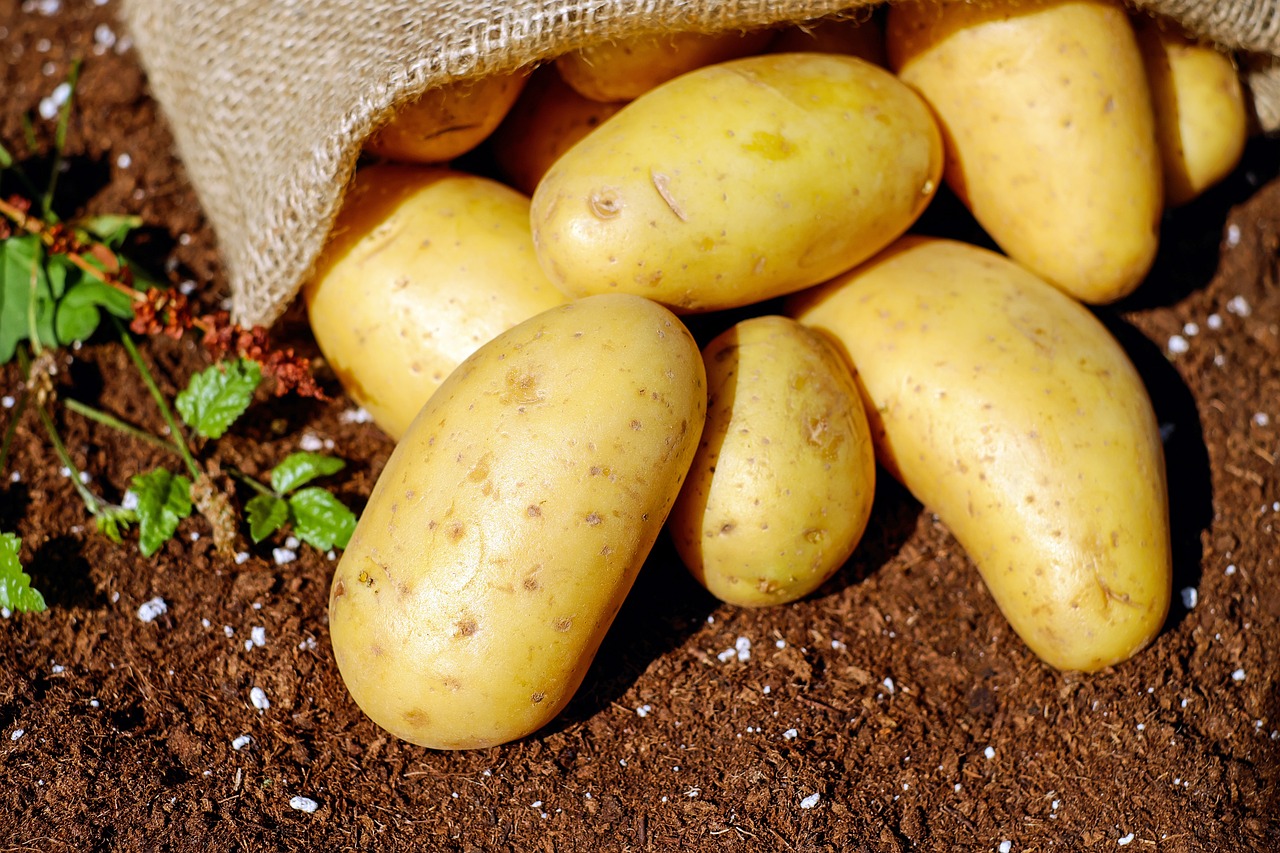
Maximizing potato yields in your garden involves more than just planting and watering. Companion planting, the strategic placement of compatible plants, can significantly boost potato yields while improving soil health and reducing pest issues. In this article, we’ll explore the concept of potato companion plants and how they can contribute to increased yields in your garden.
- Beans: Beans, such as bush beans or pole beans, make excellent companion plants for potatoes. They are nitrogen-fixing legumes, which means they have the ability to convert atmospheric nitrogen into a form that plants can use. Potatoes have high nitrogen requirements, especially during the early growth stages, and companion planting them with beans can help meet this need. Additionally, the dense foliage of bean plants can provide shade and help suppress weeds, creating a more favorable environment for potato growth.
- Marigolds: Marigolds are renowned for their ability to repel pests with their strong scent, making them valuable companion plants for potatoes. Planting marigolds around your potato patch can help deter pests like nematodes, aphids, and Colorado potato beetles, reducing the risk of damage to your potato plants. Marigolds also attract beneficial insects like ladybugs and parasitic wasps, which prey on common potato pests, further enhancing pest control in the garden.
- Horseradish: Horseradish is another beneficial companion plant for potatoes, as it helps deter potato pests and suppresses weeds with its vigorous growth. Planting horseradish around the perimeter of your potato patch can create a natural barrier against pests like wireworms and potato scab. Additionally, the deep roots of horseradish help break up compacted soil and improve soil structure, benefiting potato plants’ root development and overall health.
- Nasturtiums: Nasturtiums are versatile companion plants that offer multiple benefits to potatoes. Their trailing vines provide ground cover, which helps conserve soil moisture and suppress weeds, reducing competition for water and nutrients. Nasturtiums also attract aphids and flea beetles away from potato plants, acting as sacrificial plants that draw pests away from your valuable crops. Plus, their bright flowers add color to the garden and can be harvested for culinary use.
- Sweet Alyssum: Sweet alyssum is a low-growing flowering plant that serves as an excellent companion for potatoes. Its delicate white or purple flowers attract beneficial insects like hoverflies, which feed on aphids and other pests that can damage potato plants. Planting sweet alyssum between rows of potatoes can help support a healthy population of beneficial insects, reducing the need for chemical pesticides and promoting natural pest control in the garden.
Conclusion: Incorporating companion plants into your potato garden is a simple yet effective way to increase yields, improve soil health, and reduce pest issues. By strategically selecting and planting companion plants like beans, marigolds, horseradish, nasturtiums, and sweet alyssum, you can create a balanced ecosystem that supports the growth and productivity of your potato plants. Experiment with different companion plant combinations to find what works best for your garden, and enjoy a bountiful harvest of delicious, homegrown potatoes.