

Disclosure: As an Amazon Associate, I earn from qualifying purchases at no extra cost to you.
There is a specific kind of satisfaction that comes from walking into your backyard with a pair of shears and coming back inside five minutes later with a gourmet drink. In my latest video, I shared a quick look at my daily afternoon ritual: harvesting fresh Lavender and Lemon Balm for a backyard brew.
Living in West Sussex, we are blessed with a climate that allows these Mediterranean-style herbs to thrive, even in a modest urban plot. But beyond the aesthetic of a glass teapot, there’s a deeper story here about self-sufficiency, reducing food miles, and reclaiming our health.
Why Lavender and Lemon Balm?
When I first started Urban Living Homestead, my goal was to find the “low-hanging fruit” of self-sufficiency. Lavender and Lemon Balm are exactly that. They are hardy, drought-resistant (perfect for our changing UK summers), and perennial—meaning they give back year after year.
- Lavender: Most people think of lavender for sachets or perfumes, but it’s a powerhouse in tea. It contains linalool, which has been shown to reduce anxiety and improve sleep quality.
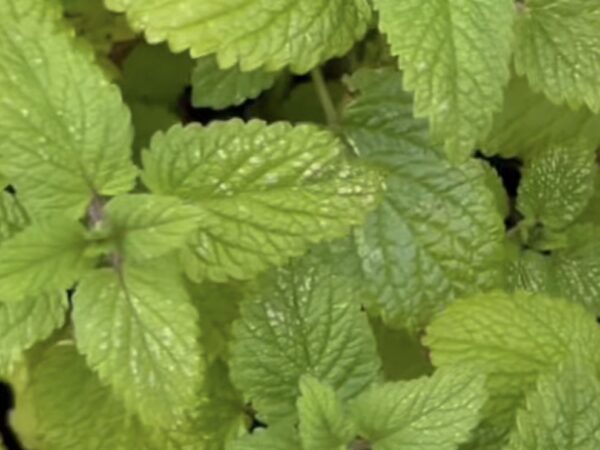
- Lemon Balm: A member of the mint family, this herb is incredibly easy to grow (sometimes too easy!). It has a bright, uplifting citrus scent and is traditionally used to improve cognitive function and settle the stomach.
When you blend these two, you get a balanced “nervine” tea—one that calms the nerves while keeping the mind sharp.
The 5-Minute Process
If you watched the video, you saw how fast this is. Here is the step-by-step breakdown for those looking to replicate this at home:
1. The Clean Harvest
I always aim for the new growth. The younger leaves of the lemon balm and the fresh buds of the lavender hold the highest concentration of essential oils. Since I use my off-grid rainwater system to keep these plants hydrated, I know exactly what has gone into them. A quick rinse is all they need.
2. The Bruise
Before putting the herbs into the infuser, give them a gentle “scrunch” or bruise with your fingers. You’ll immediately smell the difference. This physical action breaks the cell walls of the plant, allowing the oils to infuse into the water much faster.
3. The Infusion
This is where the Glass Diffuser Teapot becomes more than just a kitchen tool. Using a glass vessel allows you to monitor the strength of the tea. For fresh herbs, you aren’t looking for a dark brown “English Breakfast” color; you’re looking for a pale, golden straw hue.
Pro Tip: Use water that is just off the boil (around 90°C). Pouring boiling water directly onto delicate lavender can sometimes make the tea taste slightly soapy.
Closing the Loop: The Zero-Waste Garden
One of the best parts of this routine happens after the tea is finished. In the video, you saw me take those spent leaves straight back out to the compost heap.
In a world of plastic-lined teabags and global shipping routes, this 5-minute ritual represents a complete, closed-loop system. No packaging, no transport emissions, and the nutrients go right back into the Sussex soil to grow next year’s harvest.
Whether you have a sprawling garden or a few pots on a balcony, I highly recommend adding these two to your collection. It’s a small step toward the homesteading lifestyle, but a delicious one.
Want to take this further? Enter your email below to instantly download my free “Garden to Glass” guide to blending your own herbal teas at home!