

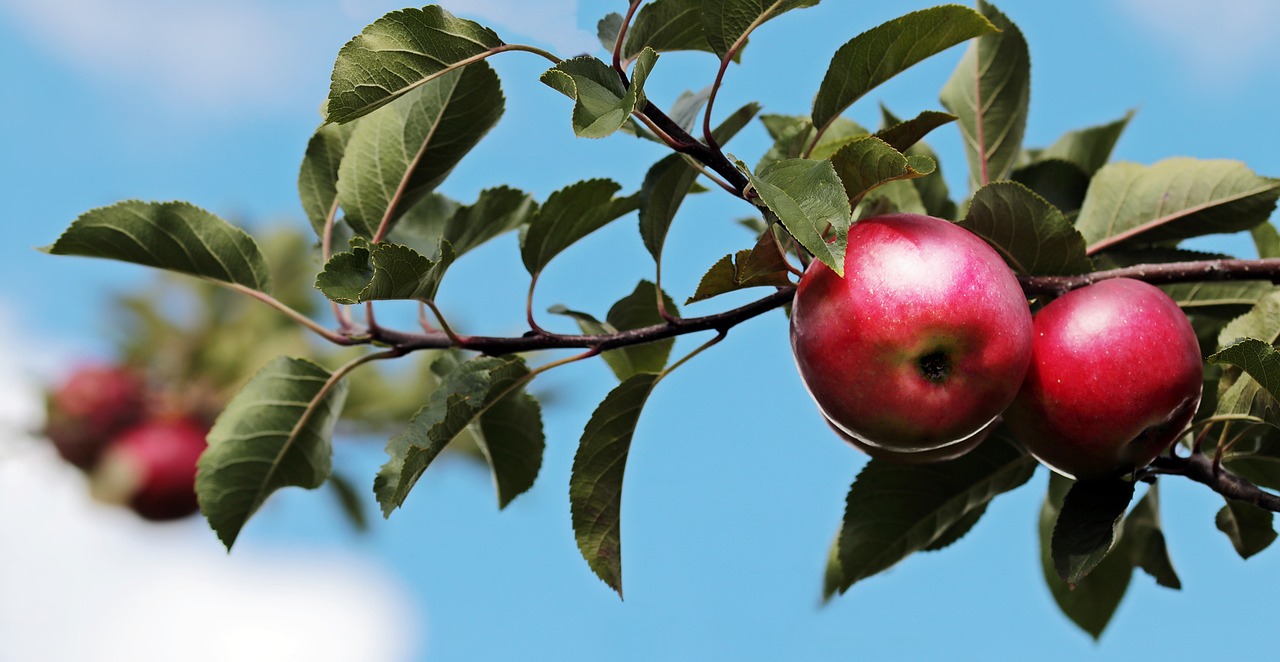
Codling moths are notorious pests that can wreak havoc on apple and pear trees, causing damage to fruit and compromising harvests. While chemical pesticides are often used to combat these pests, many gardeners prefer to use natural and organic methods to control codling moth infestations. In this article, we’ll explore effective techniques for managing codling moth populations in your orchard without resorting to pesticides.
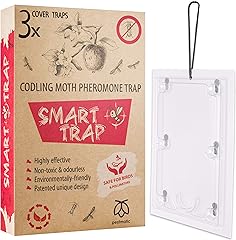
- Pheromone Traps: Pheromone traps are an effective tool for monitoring and reducing codling moth populations in your orchard. These traps contain synthetic pheromones that mimic the scent of female codling moths, attracting male moths and disrupting their mating patterns. By placing pheromone traps throughout your orchard before the start of the growing season, you can capture male moths and prevent them from mating with females, thereby reducing egg laying and larval infestations. Here is a link to the pheromone traps I use from Amazon https://amzn.to/4br0ebu

- Sanitation Practices: Practicing good orchard sanitation is essential for controlling codling moth populations and preventing future infestations. Remove and destroy any infested or fallen fruit from the ground, as these can serve as breeding grounds for codling moth larvae. Prune and thin fruit trees to improve air circulation and sunlight penetration, which can help reduce humidity and create less favorable conditions for codling moths to thrive.
- Beneficial Insects: Encouraging natural predators and parasites of codling moths can help keep their populations in check without the need for pesticides. Release beneficial insects such as trichogramma wasps, lacewings, and parasitic nematodes into your orchard to prey on codling moth eggs and larvae. Attracting birds like bluebirds, chickadees, and wrens to your orchard can also help control codling moth populations, as they feed on adult moths and larvae.
- Kaolin Clay: Kaolin clay, a natural mineral powder, can be applied to fruit trees to create a protective barrier against codling moths and other pests. Mix kaolin clay with water to create a spray solution and apply it to the foliage and fruit of apple and pear trees. The fine particles of kaolin clay deter codling moths from laying eggs on the fruit and make it difficult for larvae to feed and develop, effectively reducing infestations without harming beneficial insects or the environment.
- Tree Banding: Tree banding is a simple yet effective method for trapping codling moth larvae as they crawl up tree trunks to pupate. Wrap sticky bands or tape around the trunks of apple and pear trees during the early spring and summer months to capture crawling larvae before they can reach the fruit. Replace the sticky bands regularly to maintain their effectiveness and prevent larvae from escaping.
Conclusion: Controlling codling moth infestations in your orchard without using pesticides requires a combination of natural methods and proactive management practices. By implementing pheromone traps, practicing good orchard sanitation, encouraging beneficial insects, applying kaolin clay, and using tree banding techniques, you can effectively manage codling moth populations and protect your apple and pear trees from damage. With patience and diligence, you can enjoy healthy, pest-free harvests of delicious fruit from your orchard for years to come.