

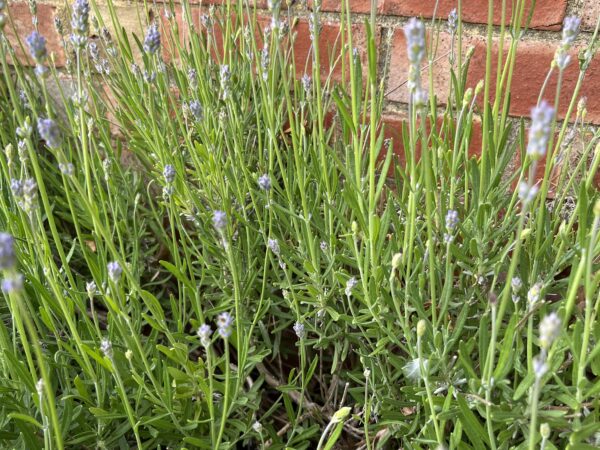
Growing a lush, fragrant garden doesn’t have to drain your wallet. Lavender is easily one of the most valuable plants you can have on the homestead—it’s a magnet for pollinators, incredible for home crafts, and a powerhouse ingredient for relaxing herbal tea blends.
But instead of paying £4 to £6 per pot at your local garden centre, you can easily multiply your existing lavender plants for absolutely free using softwood cuttings.
You don’t need a professional greenhouse or a green thumb to make this work. Watch the quick, step-by-step video below to see the exact technique, or follow our simple breakdown below!
The 4-Step Lavender Propagation Method
1. Select Your Shoots (The Secret to Rooting Success)
The biggest mistake people make is taking cuttings from the old, woody base of the plant. Instead, look for healthy, non-flowering bright green shoots from this year’s fresh growth.
Using sharp, clean snips, cut a piece that is roughly 3 to 4 inches long. Ensure your cut is made cleanly directly below a leaf node (the exact point where the leaves join the main stem). This node contains the concentrated plant hormones needed to trigger new root growth.
2. Strip the Lower Leaves
Gently strip away the leaves from the bottom half of your cutting. This gives you a clean stem to insert into the soil and completely exposes those vital root nodes. Be careful not to tear the main outer skin of the stem while doing this.
3. Pot Up the Cuttings Immediately
Don’t let your fresh cuttings dry out. Insert them straight into a gritty, well-draining compost mix.
- Homestead Tip: A 50/50 mix of standard multi-purpose compost and perlite or horticultural sand is perfect. This prevents waterlogging, which will rot your cuttings before they can root.
Firm the soil gently around the base of the stems so they stay upright and have solid contact with the compost.
4. Lock in the Humidity
Your cuttings don’t have roots yet, so they need a high-humidity environment to survive. Pop a clear propagator lid, an inverted plastic bottle, or a simple clear plastic bag over your pot to trap moisture.
Place the pot in a bright spot with plenty of indirect sunlight. Avoid harsh, direct afternoon sun, which will cook the unrooted cuttings under the plastic.
In just 3 to 4 weeks, these stems will develop a robust, independent root system, handing you brand-new lavender plants completely free of charge!
Take Your Homegrown Harvest to the Next Level
Lavender isn’t just a beautiful garden border; it’s an incredible asset for your kitchen and your health.
If you want to learn how to transform your garden harvests into delicious, healing, and relaxing drinks, grab my completely free Garden-to-Glass Tea Blending Guide. Just enter your details below, and I’ll send the digital toolkit straight to your inbox!