

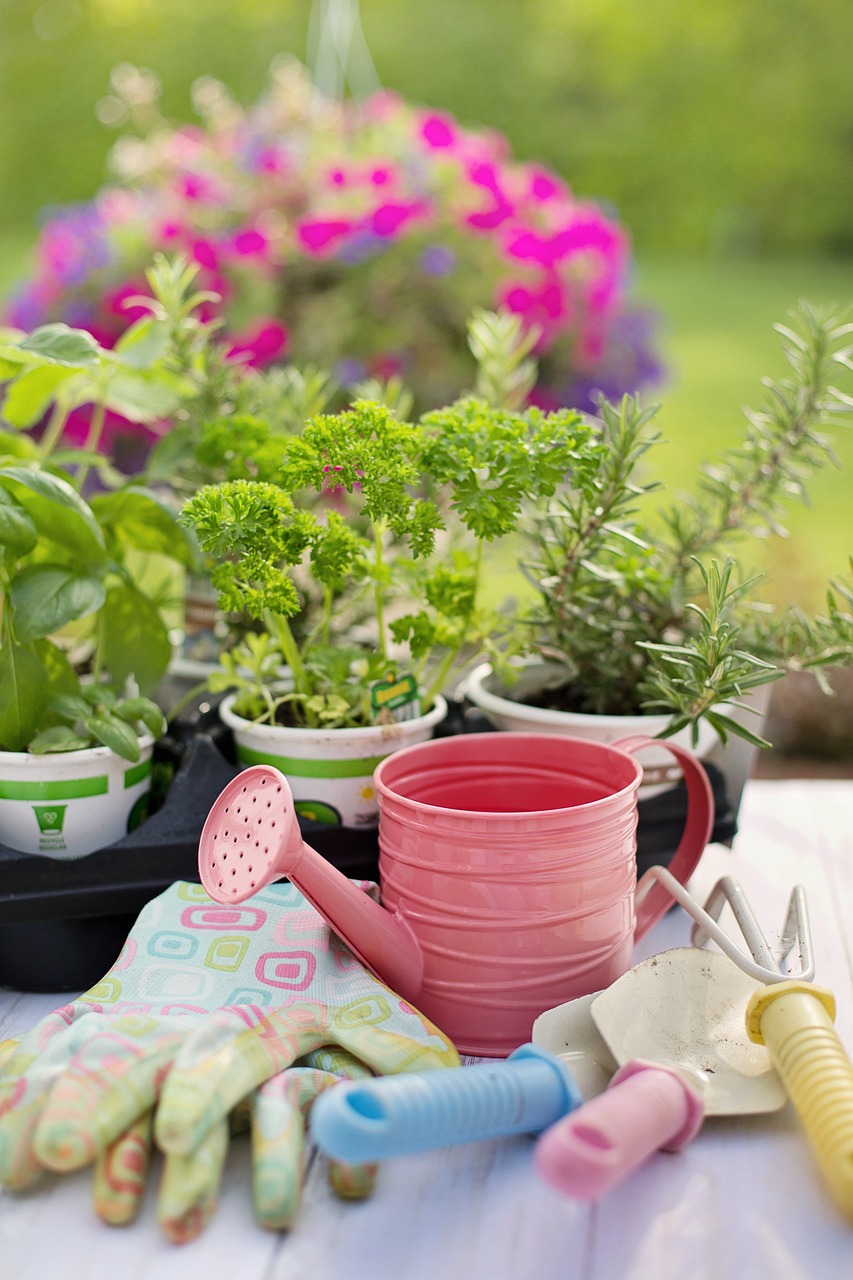
Maximize Your Space: 5 Hardiest Perennial Herbs for Small Urban Gardens
When you are managing a compact urban garden or building up an urban homestead, every single square foot counts. You don’t have the luxury of wasting space on high-maintenance crops that yield very little. That is exactly why perennial herbs are the ultimate secret weapon for city growers.
Unlike annuals that require you to sow, nurture, and clear them out every single season, perennial herbs are a long-term investment. You plant them once, and they return year after year, becoming more resilient and productive over time. Even better, they thrive in containers, pots, and window boxes, allowing you to turn concrete balconies, patios, and windowsills into highly productive, edible spaces.
If you want to establish a permanent, low-maintenance harvest in the city, these five hardy perennial herbs should be at the absolute top of your planting list.
1. Rosemary (Rosmarinus officinalis)
Rosemary is an absolute powerhouse for urban environments. It is incredibly tough, handles air pollution well, and loves the heat trapped by brickwork and concrete patios.
Why It Thrives in the City: Rosemary is native to the Mediterranean, meaning it is highly drought-tolerant once established and thrives on minimal attention.
The Urban Homesteading Tip: The absolute biggest killer of container-grown rosemary is waterlogging, especially during soggy winters. To prevent root rot, always use a terracotta pot with excellent drainage holes. Mix roughly 70% multi-purpose compost with 30% perlite or sharp horticultural grit to create an incredibly free-draining environment. Give it the sunniest spot on your balcony or windowsill.
2. Thyme (Thymus vulgaris)
If you have a shallow container or an awkward, sun-baked corner where nothing else seems to grow, plant thyme. It is a low-growing, highly aromatic ground cover that is practically indestructible.
Why It Thrives in the City: Thyme requires very little soil depth to establish a strong root network. It is perfectly adapted to dealing with the unpredictable microclimates of urban balconies, where intense heat can give way to sudden, biting winds.
The Urban Homesteading Tip: Thyme actually produces a more intense flavor when grown in poor, nutrient-deficient soil, so do not over-fertilize it. It is perfect for companion planting at the base of larger container fruit trees or placed right next to seating areas, where brushing past the foliage releases its rich, earthy scent.
3. Chives (Allium schoenoprasum)
Chives are the most forgiving perennial herb for growers who don’t get full, direct sunlight all day long. As a member of the allium family, they return early every spring, providing an invaluable early food source for urban pollinators before blooming into beautiful, edible purple flowers.
Why It Thrives in the City: Chives are highly adaptable and will happily tolerate partial shade, making them ideal for urban courtyards or lower-level balconies shadowed by neighboring buildings.
The Urban Homesteading Tip: Chives love consistent moisture compared to woodier herbs like rosemary. Plant them in a rich potting mix and harvest them regularly by cutting the outer leaves from the base. This constant harvesting signals the plant to continuously push out fresh, tender growth all season long.
4. English Lavender (Lavandula angustifolia)
Lavender brings immense visual charm, therapeutic fragrance, and a magnet for bees to small city spaces. However, success in a small garden comes down to picking the right variety.
Why It Thrives in the City: Like rosemary, lavender thrives in intense sunlight and handles drought incredibly well, making it perfect for south-facing balconies or hot concrete terraces.
The Urban Homesteading Tip: Avoid large, sprawling French varieties that will quickly outgrow a balcony. Instead, stick to compact English cultivars like ‘Munstead’ or ‘Hidcote’. These stay tidy, handle container restrictions beautifully, and are incredibly winter-hardy. Always prune them back by about a third after flowering in late summer (avoiding the old, woody stems) to keep the plant compact and prevent it from becoming leggy next spring.
5. Mint (Mentha spp.)
Mint is a vigorous, fast-growing herb that provides a massive harvest for teas, salads, and culinary dishes. It is exceptionally hardy and grows aggressively in almost any environment.
Why It Thrives in the City: Mint is highly shadow-tolerant. If your urban space gets minimal direct sunlight, mint will still flourish where other herbs fail.
The Urban Homesteading Tip: Never plant mint directly into an open garden bed or a shared planter. It spreads via aggressive underground runners (rhizomes) and will completely choke out your other crops in a matter of months. Always isolate mint to its own dedicated, heavy-duty container to keep its vigorous root system completely contained.
Conclusion
Transforming a small urban space into a flourishing edible haven doesn’t require an acre of land; it just requires smart crop choices. By filling your containers and vertical spaces with resilient perennials like rosemary, thyme, and mint, you build a permanent, low-effort food resource right outside your door. Grab your pots, fix your drainage, and start anchoring your urban garden with these tough, reliable companions.
What perennial herbs are you currently growing in your space? Let me know in the comments below.
https://youtube.com/shorts/Ug3fxwcLnQU?si=GYRzB6xdSDpDtniV