

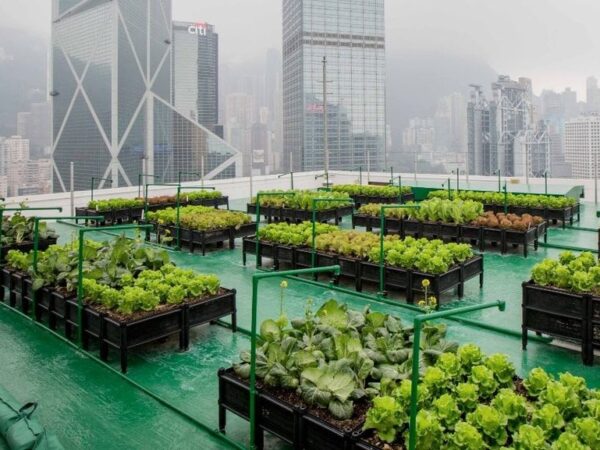
The transcending high rises and rambling substantial scenes of our urban areas, frequently alluded to as “substantial wildernesses,” can feel without any trace of nature’s touch. However, these urban environments are being transformed by a lively movement. Feasible metropolitan cultivating is flourishing, in a real sense and metaphorically, offering a large number of advantages and encouraging a more agreeable connection between city tenants and nature. One of the vital parts of manageable metropolitan cultivating is amplifying space. With container gardening, even the tiniest rooftops and balconies can become flowering havens. Vertical cultivating frameworks permit plants to climb walls, making lavish green embroidered works of art.
In order to cultivate a greener cityscape and foster a sense of connection, community gardens transform vacant lots into collaborative projects. However, urban gardening is about more than just appearance. It contributes fundamentally to natural manageability. By absorbing pollutants and releasing fresh oxygen, plants improve air quality by acting as natural filters. Housetop gardens give protection, lessening energy utilization in structures. Metropolitan nurseries might assume a part in stormwater the executives, with green rooftops and porous surfaces permitting water to be retained as opposed to overpowering seepage frameworks. For urban gardens to thrive, sustainable methods are necessary.
Rainwater harvesting methods allow gardens to thrive without straining municipal water supplies, which is important for water conservation. Fertilizing the soil kitchen scraps and yard squander gives important supplements to plants, making a shut circle framework that limits squander. Not only do drought-resistant and low-maintenance plants require less water, but they also ensure that the garden thrives without using too much fertilizer or pesticide. The advantages of metropolitan cultivating reach out past the climate. Studies have shown that associating with nature through cultivating lessens pressure and works on mental prosperity. Local area gardens cultivate social communication and a feeling of having a place, making lively spaces where individuals can interface with their neighbors. Developing new organic products, vegetables, and spices gives admittance to sound, neighborhood produce, advancing good dieting propensities and diminishing reliance on supermarkets.
Greening our substantial wildernesses isn’t simply a fantasy; it’s a developing reality. We can transform our cities into vibrant, healthy, and resilient ecosystems by adopting sustainable urban gardening practices. Every bit of green space, from tiny balconies to huge rooftops, adds up to form a network of urban oasis that is good for people, the environment, and our cities’ future.