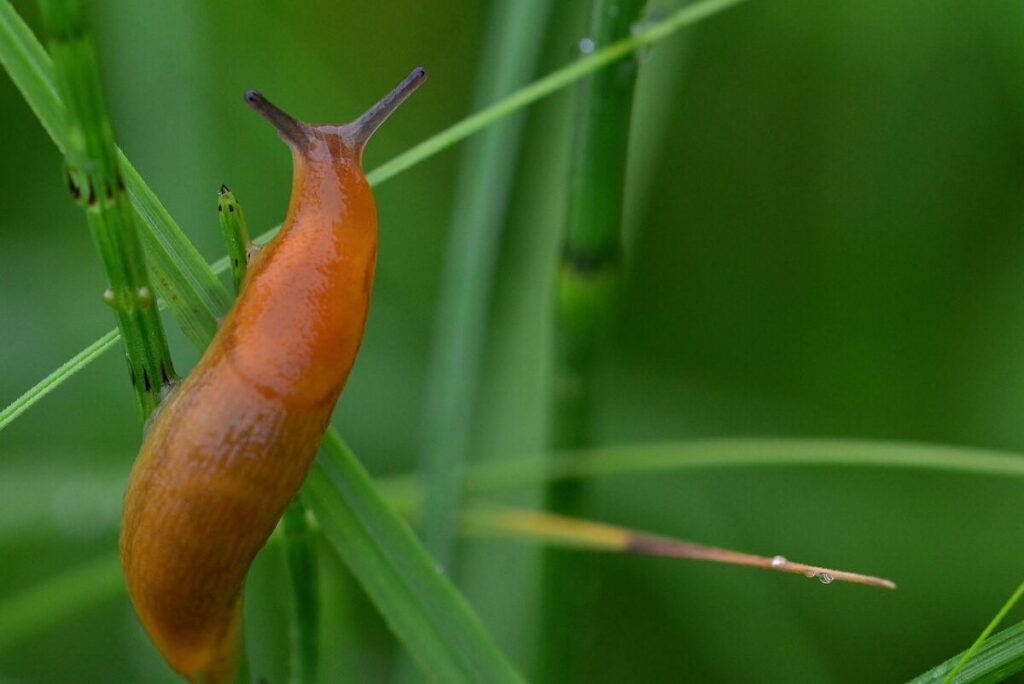
MAY 2026 UPDATE: It’s a bad year for slugs in Sussex! If you’ve tried the beer traps and eggshells and they aren’t working, I’ve listed the organic slug gel I’m currently using to save my brassicas over on my Urban Living Toolkit. It’s the only thing that’s held up in this rain!
https://youtube.com/shorts/
Gardening in the UK offers its own unique set of challenges, one of the most notorious being the presence of slugs and snails. These slimy creatures can wreak havoc on our beloved plants, munching their way through leaves and tender stems with seemingly insatiable appetites. However, fear not, for there are effective ways to control slugs and snails in your British garden without resorting to harsh chemicals or drastic measures.
Understanding the Enemy
Before diving into control methods, it’s essential to understand the behavior of slugs and snails. These mollusks are most active during damp, mild conditions, which are all too common in the UK. They feed primarily at night or on cloudy days, seeking out moisture and tender foliage to devour. Knowing their habits can help us devise effective strategies for keeping them at bay.
Cultural Controls
- Encourage Natural Predators: Invite natural slug and snail predators into your garden, such as birds, hedgehogs, frogs, and ground beetles. Providing habitats like bird boxes, log piles, and ponds can attract these beneficial creatures, helping to keep slug and snail populations in check.
- Maintain Garden Hygiene: Keep your garden tidy by removing debris, fallen leaves, and hiding spots where slugs and snails like to lurk during the day. Regularly inspect plants for signs of damage and remove any pests you find by hand.
- Mulch Wisely: While mulch can help conserve moisture and suppress weeds, it can also provide a cozy hiding place for slugs and snails. Opt for coarse materials like gravel or crushed eggshells, which are less hospitable to these pests.
Physical Barriers
- Copper Tape and Wire: Slugs and snails are repelled by copper, making copper tape or wire an effective barrier for protecting vulnerable plants. Encircle pots or raised beds with copper tape or create barriers around individual plants to deter these pests.
- Collars and Barriers: Create physical barriers around susceptible plants using materials like plastic collars, diatomaceous earth, or even crushed nut shells. These barriers make it difficult for slugs and snails to reach their target plants.
Biological Controls
- Nematodes: Beneficial nematodes are microscopic organisms that parasitize and kill slugs and snails in the soil. Apply nematodes to your garden according to the manufacturer’s instructions, typically in spring or autumn when soil temperatures are favorable for their activity.
Organic Repellents
- Beer Traps: Set up beer traps by burying containers filled with beer at ground level. Slugs and snails are attracted to the scent, crawl in, and drown. Empty and refill the traps regularly for ongoing control.
- Natural Repellents: Certain plants, like garlic, mint, and rosemary, are believed to repel slugs and snails due to their strong odors. Planting these deterrents around vulnerable areas of your garden may help deter pests.
Conclusion
While slugs and snails may seem like formidable adversaries in the British garden, with a combination of cultural, physical, biological, and organic controls, you can effectively manage their populations and protect your plants. By understanding their behavior and employing these strategies, you can enjoy a thriving garden free from the ravages of these pesky mollusks. With patience, persistence, and a bit of creativity, you can outsmart even the slimiest of garden foes.